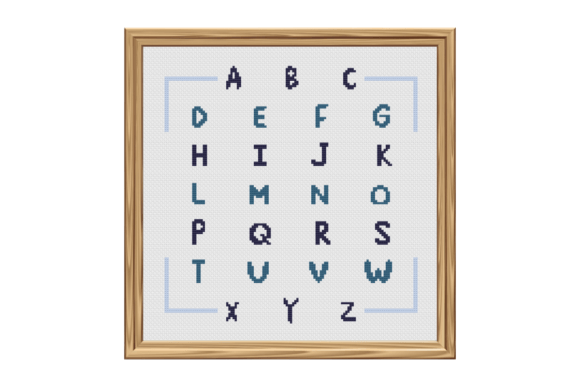
Alphabet Cross Stitch Pattern: A Designer’s Review
As an embroidery designer who has spent years helping small businesses translate their brand identity into thread, I approach every new asset with a critical eye. We are not just stitching fabric; we are building trust, recognition, and perceived value. Recently, I evaluated the Alphabet Cross Stitch Pattern to determine its viability for commercial use. This is not merely a craft project; it is a potential cornerstone for branded merchandise, from boutique tote bags to staff uniforms. Here is my professional assessment of how this design performs in a real-world business context.
First Impressions: Visual Personality and Brand Fit
The immediate appeal of the Alphabet Cross Stitch Pattern lies in its inherent warmth. In a market saturated with sleek, vector-based logos, cross-stitch aesthetics offer a distinct "handmade" feel that resonates deeply with consumers seeking authenticity. The design feels rustic yet polished, playful but structured. For brands in the bakery, florist, pet care, or creative studio sectors, this visual language screams approachability. It suggests that care went into the product, mirroring the care a small business owner puts into their service.
However, from a design perspective, we must look beyond the surface. Is it too juvenile for a high-end boutique? Not necessarily. When executed with premium thread colors and proper tension, cross-stitch motifs can elevate a brand’s aesthetic to "artisanal luxury." The key is consistency. If your brand identity relies on clean lines and modern minimalism, this pattern might clash. But if your narrative involves heritage, craft, or community, this asset is a powerful tool.
Real-World Applications for Small Business Merch
Let’s discuss where this Alphabet Cross Stitch Pattern truly shines in commercial embroidery. I tested the concept across several common merchandise items to gauge its effectiveness.
- Embroidered Patches: This is perhaps the strongest use case. A patch allows for controlled density and easy application. Using the alphabet initials on a circular or square patch creates a versatile badge for jackets, backpacks, or laptop sleeves. It turns a simple garment into a statement piece.
- Tote Bag Design: Canvas totes are staples for retail shops. Embroidering a customer’s initial or a short brand word using this cross-stitch style adds significant perceived value. It transforms a generic bag into a personalized finished product that customers are proud to carry.
- Apron Embroidery: For cafes and bakeries, staff aprons are moving billboards. A subtle cross-stitch initial on the chest pocket area looks professional without being overpowering. It reinforces the "crafted by hand" narrative of the food being served.
- Cap Embroidery: While tricky due to curvature, a single letter from this pattern can work beautifully on the side panel of a dad hat or beanie. It offers a subtle branding element that feels exclusive rather than corporate.
For Etsy sellers and merch creators, these applications open up diverse revenue streams. You are not just selling a shirt; you are selling a custom experience. The Alphabet Cross Stitch Pattern serves as a flexible design asset that can be mixed and matched with other graphics to create cohesive collections.
Technical Considerations and Production Challenges
While the aesthetic is charming, the technical execution requires precision. As a designer, I must warn against assuming this pattern is plug-and-play for every scenario. Cross-stitch designs rely on a grid structure, which behaves differently than satin stitch or fill stitch logos.
Stitch Density and Fabric Texture
One major concern is stitch density. If the pattern is too dense, it can pucker lightweight fabrics like cotton tees or silk blends. Conversely, on heavy denim or canvas, the stitches need to be substantial enough to cover the weave. Always test on the actual fabric texture you intend to use. A printable mockup is helpful for sales, but it will not reveal how the thread interacts with the material.
Size Limitations
Tiny lettering is the enemy of cross-stitch. If you attempt to shrink the Alphabet Cross Stitch Pattern below a certain threshold, the individual crosses merge into a blob, losing all definition. For small patch sizes or sleeve details, ensure you are using a simplified version of the alphabet or increasing the overall dimensions. Check the hoop size capabilities of your machine to ensure you can frame the design properly without re-hooping, which can cause misalignment.
Stabilizer Selection
Proper stabilization is non-negotiable. Because cross-stitch involves many penetrations in a small area, the fabric can easily distort. Use a cut-away stabilizer for garments that will undergo frequent washing, such as staff uniforms or active wear. For decorative items like wall hangings or limited-edition tote bags, a tear-away might suffice, but always prioritize durability for commercial goods.
Enhancing Brand Identity and Customer Trust
Why go through the trouble? Because details build trust. When a customer receives a package with a beautifully embroidered tag or a personalized item, their perception of your brand shifts. They see effort. They see quality. The Alphabet Cross Stitch Pattern contributes to this by adding a layer of tactile engagement. It invites the customer to look closer, to touch the threads, and to appreciate the craftsmanship.
In terms of brand identity, consistency is key. If you use this pattern for your logo accent, ensure your thread colors align strictly with your brand palette. A mismatched red can make a professional design look amateurish. Create a standard operating procedure for which hex codes translate to which embroidery thread numbers. This ensures that whether you are producing ten units or one hundred, the visual consistency remains intact.
Practical Designer Notes for Implementation
Before you launch this design into your production line, follow these steps to mitigate risk and maximize quality:
- Test in Black and White First: Remove color from the equation to check contrast and readability. If the design fails in monochrome, it will fail in color.
- Verify Commercial Licensing: The product description notes that you receive a PDF with instructions. It is crucial to confirm if this digital file includes rights for commercial use. Do not assume. Contact the creator or check the license terms explicitly before selling any small business merch derived from this pattern.
- Check File Formats: The description mentions a PDF for instructions. For machine embroidery, you will likely need specific digitized files (such as PES, DST, or EXP). Ensure you have the correct digital embroidery file format for your machine, or hire a digitizer to convert the cross-stchart into a machine-readable format.
- Create Client Mockups: If you are offering this as a custom service, generate realistic mockups showing the design on caps, aprons, and patches. This helps clients visualize the custom apparel outcome and reduces revision requests.
- Wash Testing: Produce a sample and wash it five times. Check for thread breakage, puckering, or color bleeding. Your reputation depends on the longevity of the embroidered patch or garment.
Final Verdict
The Alphabet Cross Stitch Pattern is a versatile and emotionally resonant addition to any designer’s toolkit. It bridges the gap between traditional craft and modern branding. However, its success depends entirely on technical execution and strategic application. It is not a universal solution for every brand, but for those targeting an artisanal, friendly, or heritage-focused audience, it is invaluable.
By respecting the limitations of stitch density, choosing the right fabrics, and securing proper licensing, you can transform this simple graphic into a high-value component of your commercial embroidery offerings. Whether used for a subtle cap detail or a bold tote bag statement, this pattern has the power to elevate your handmade product line and deepen customer connection. Treat it with the professional rigor it deserves, and it will serve your business well.