Review: Beaded Patchwork Embroidery Patterns
As an embroidery designer who has spent countless weekends standing behind booths at local craft fairs, I have learned that visual impact is everything. When a potential customer walks past your table, you have mere seconds to catch their eye. This is why I recently took a close look at Beaded Patchwork Embroidery Patterns, evaluating them not just as digital files, but as tangible assets for a handmade business. If you are an Etsy seller, a boutique maker, or a creative entrepreneur looking to elevate your small shop product line, understanding how these graphics translate into physical goods is crucial.
First Impressions and Aesthetic Appeal
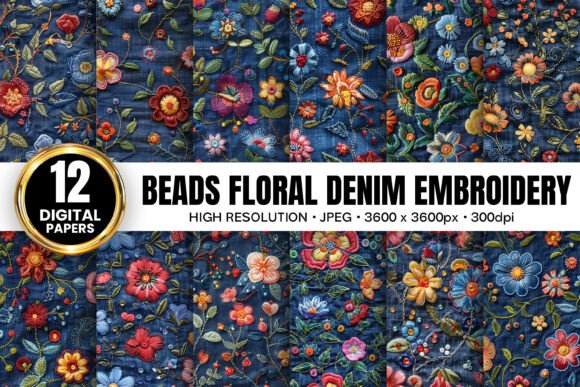
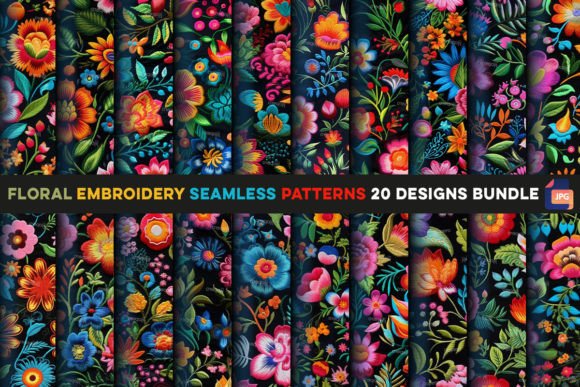
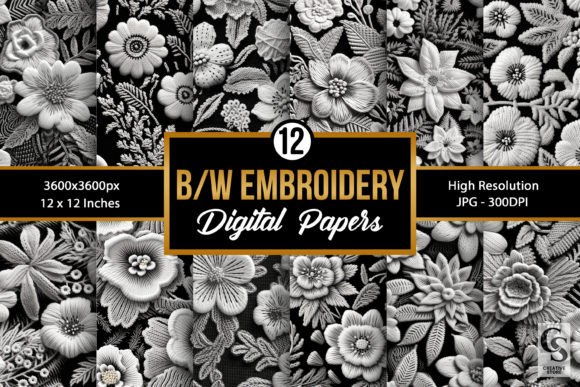
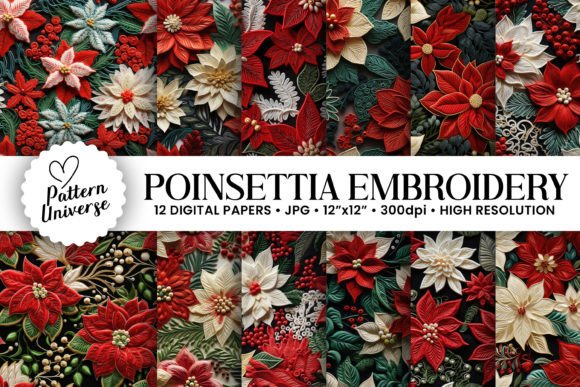
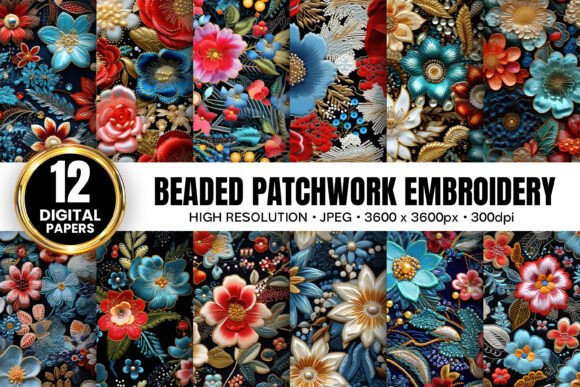
The title alone suggests a specific mood: intricate, textured, and rich in detail. Upon reviewing the Beaded Patchwork Embroidery Seamless Patterns, the immediate impression is one of premium craftsmanship. The combination of "beaded" and "patchwork" implies a depth that flat prints often lack. For a craft fair product, this aesthetic bridges the gap between rustic charm and elegant sophistication. It does not feel overly modern or minimal; rather, it carries a decorative weight that appeals to buyers looking for heirloom-quality items.
These design assets offer a unique advantage because they mimic the look of complex hand-stitching without the hours of labor. For a handmade product line, this means you can offer the appearance of high-end textile art while maintaining efficient production times. The visual appeal here is strong, suggesting that these patterns would perform exceptionally well on items where texture is celebrated.
Product Applications for Craft Fair Sellers
When preparing a table display with embroidered tote bags, aprons, tea towels, and patches, versatility is key. Here is how I envision Beaded Patchwork Embroidery Patterns performing across different categories:
- Tote Bag Design: A large-scale application of these patterns on canvas totes creates an instant focal point. The patchwork style breaks up the monotony of plain fabric, making the bag feel like a statement piece rather than a generic accessory.
- Apron Embroidery: For kitchenware, these graphics add a touch of whimsy and warmth. Placing a seamless pattern along the hem or pocket of an apron transforms a utilitarian item into a giftable handmade product.
- Tea Towel Embroidery: Because the files are high-resolution, they can be scaled down effectively. However, care must be taken with stitch density on thinner fabrics like linen or cotton tea towels to prevent puckering.
- Embroidered Patch: These patterns are ideal for creating iron-on or sew-on patches. The beaded illusion adds dimension, making the patch stand out against denim jackets or backpacks.
- Pillow Covers and Market Bags: The seamless nature of the files allows for all-over prints or repeated motifs, which works beautifully for home decor items like pillow covers or sturdy market bags.
For Etsy sellers and digital sellers, these JPG files also serve as excellent resources for creating printable mockups. You can overlay these graphics onto product photos to show customers what the finished product could look like, enhancing buyer engagement before they even purchase.
Practical Production and Selling Points
From a production standpoint, the value of Beaded Patchwork Embroidery Patterns lies in their clarity and repeatability. The package includes 12 High-Resolution Digital Papers in a single ZIP file, all at 300 DPI. This resolution is critical for ensuring that when you print transfer papers or use them as references for digitizing, the details remain crisp. The JPG format at 3600 x 3600 pixels provides ample room for scaling.
However, it is important to note that these are Graphics, not necessarily machine embroidery files like PES or DST. As an experienced designer, I must advise that if you intend to use these for commercial embroidery, you will need to digitize them or use them as sublimation prints. If you are using them for sublimation on polyester blends or printing on fabric for appliqué, the high DPI ensures no pixelation occurs. This makes them highly practical for batch production, as you can print multiple designs on a single sheet of transfer paper, reducing waste and time.
Photography is another area where these patterns shine. The intricate details photograph well under natural light, adding depth to your online listings. For a booth display, items featuring these designs draw the eye from a distance, encouraging customers to come closer and inspect the quality.
Careful-Use Notes and Technical Considerations
While the aesthetic is promising, there are technical challenges to consider when translating these graphics into physical items. If you are digitizing these patterns for machine embroidery, pay close attention to stitch density. The "beaded" effect might tempt you to use dense satin stitches or complex fill stitches, which can cause fabric distortion.
- Fabric Texture: On textured towels or thick fabrics, fine details may get lost. Ensure there is enough contrast between the thread colors and the fabric base.
- Curved Surfaces: Applying these designs to caps requires careful hooping. The patchwork elements should be positioned to avoid distortion on the curved crown.
- Small Lettering and Details: If the pattern includes tiny elements, they may not stitch out cleanly at smaller sizes. Test on scrap fabric first to determine the minimum viable size.
- Dark Fabric: If stitching directly, ensure your thread colors pop against dark backgrounds. If sublimating, remember that white ink is rarely available, so these designs work best on light or white substrates.
Designer Notes for Best Results
Before launching these as part of your commercial embroidery lineup, follow these practical steps:
- Test on Scrap Fabric: Always run a test stitch-out or print to check for registration issues.
- Check Thread Contrast: Select thread colors that enhance the "beaded" illusion, perhaps using metallic or variegated threads if stitching.
- Review Spacing: Ensure elements are not too crowded, which can lead to thread breaks or fabric bunching.
- Confirm Hoop Size: Match the design scale to your available hoop size to maximize efficiency.
- Use the Right Stabilizer: For dense areas, a cut-away stabilizer may be necessary to maintain shape.
- Create Real Mockups: Produce at least one physical sample to verify the look and feel.
- Compare Fabric Colors: See how the design interacts with different base materials.
- Confirm Commercial Licensing: Although these are digital papers, always verify the license terms for selling finished products derived from these graphics.
In conclusion, Beaded Patchwork Embroidery Patterns offer a compelling blend of visual richness and practical versatility for the modern maker. Whether you are creating a standout tote bag design or enhancing your Etsy listings with high-quality mockups, these graphics provide the professional edge needed to succeed in competitive handmade markets. By respecting the technical limitations and leveraging the high-resolution quality, you can turn these digital assets into best-selling craft fair products.