Review: Embroidery Wavy Ghosts Seamless File
As an embroidery designer who has spent years helping small businesses translate their brand vision into tangible, stitched assets, I approach every new digital embroidery file with a critical eye. It is not just about whether a design looks cute on a screen; it is about how it performs under the needle, how it holds up after fifty washes, and how it elevates the perceived value of the finished product. Recently, I had the opportunity to evaluate the Embroidery Wavy Ghosts Seamless File, a unique asset that bridges the gap between digital Graphics and physical textile application.
This review is written specifically for small business owners, apparel decorators, Etsy sellers, and crafters who are considering integrating this design into their small business merch lineup. Whether you run a local bakery, a boutique florist, or a creative studio, understanding the practical implications of this design is crucial before you commit to production.
First Impressions: Visual Personality and Brand Fit
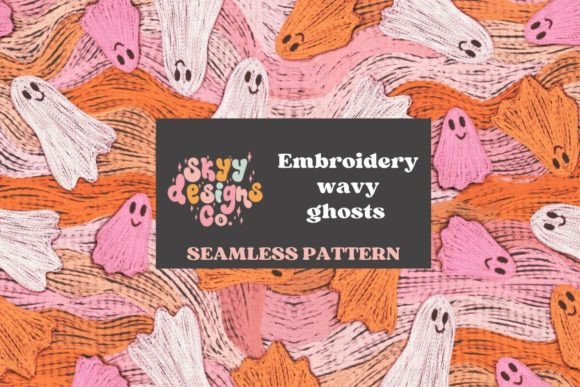
The first thing that strikes you about the Embroidery Wavy Ghosts Seamless File is its playful yet modern aesthetic. The description highlights a "wavy bright ghosts seamless repeat pattern," which immediately suggests a design that is friendly, whimsical, and bold. For brands that want to project a sense of approachability and creativity, this visual personality is a strong asset. It does not feel stiff or overly corporate; instead, it feels handmade and decorative, which aligns perfectly with the current consumer demand for authentic, artisanal touches.
However, because the source material is described as a Jpeg format seamless pattern from Skyy Designs Co., it is important to distinguish between a ready-to-stitch machine embroidery design and a print-ready graphic. As a designer, my immediate note is that this file serves as a powerful visual reference or a base for creating custom design assets. If you are using this for printed merchandise, the seamless nature allows for endless repetition on fabric rolls. If you are adapting it for embroidery, you must consider how these "wavy" lines translate into stitches.
Real-World Applications for Small Business Merchandise
The versatility of this design lies in its adaptability across various product categories. Here is how I envision the Embroidery Wavy Ghosts Seamless File performing in real-world commercial scenarios:
- Embroidered Patches: This is perhaps the strongest use case. A patch allows you to isolate specific elements of the wavy ghost pattern. You can create a die-cut patch featuring a single ghost or a cluster, which can then be sewn onto jackets, hats, or bags. This adds a high-value, tactile element to your custom apparel.
- Tote Bag Design: For boutique retailers, a tote bag featuring a repeated pattern of these bright ghosts can serve as a walking advertisement. The seamless nature of the file means you can scale the repeat to fit the entire surface of a canvas bag, creating a bold statement piece.
- Apron Embroidery: Cafés and bakeries often look for ways to brand their staff uniforms without being overly aggressive. A small, discreet placement of a ghost motif on the chest pocket of an apron adds charm and brand recognition without overwhelming the uniform.
- Cap Embroidery: While challenging due to the curved surface, a simplified version of the ghost design could work well on the side panel or back of a dad hat. It offers a subtle nod to the brand’s playful identity.
Technical Considerations and Production Challenges
While the visual appeal is high, there are technical hurdles to address when moving from a Jpeg format pattern to a stitched reality. Since the product description specifies it is a seamless pattern in JPEG format, it is likely intended for print-on-demand or as a reference for digitizing. If you plan to embroider this directly, you must be mindful of several factors:
Stitch Density and Detail: Wavy lines and bright colors can lead to high stitch density if not managed correctly. If the ghosts have intricate outlines or small internal details, they may become muddy when stitched at a small size. I recommend simplifying the shapes for embroidery purposes, ensuring that each color block is large enough to hold the thread properly.
Fabric Texture and Stabilizer: The success of any embroidery project depends heavily on the interaction between the thread, the fabric, and the stabilizer. For textured fabrics like terrycloth towels or thick canvas totes, you will need a cut-away stabilizer to prevent puckering. On smoother fabrics like polo shirts, a tear-away might suffice, but always test first. The "bright" colors mentioned in the description will pop best on dark or neutral backgrounds, but ensure your thread colors have enough contrast against the garment.
Hoop Size and Placement: Before starting production, confirm the appropriate hoop size for your chosen application. A large seamless repeat may require a multi-position hoop strategy or a large frame, which increases production time. For smaller items like caps, you may need to isolate a single element rather than using the full seamless pattern.
Impact on Brand Identity and Customer Trust
Consistency is key to building brand identity. Using a distinctive design like the Embroidery Wavy Ghosts Seamless File across multiple touchpoints—patches, packaging, and apparel—creates a cohesive visual language. When customers see the same playful ghost motif on their coffee cup sleeve, their tote bag, and their employee’s apron, it reinforces brand recognition.
Furthermore, high-quality embroidery signals professionalism. A well-executed embroidered patch or logo suggests that a business cares about details. This perception of quality can justify higher price points for your handmade product lines. It transforms a simple item into a collectible piece of branded merchandise, fostering deeper engagement with your audience.
Practical Designer Notes for Implementation
To ensure the best results when using this design in your commercial embroidery projects, follow these practical steps:
- Test in Black and White First: Before committing to colorful threads, stitch out the design in black thread on white fabric. This helps you identify any issues with spacing, density, or shape clarity without the distraction of color.
- Check Scalability: Verify if the design retains its integrity at smaller sizes. If you plan to use it on shirt pockets or hat fronts, ensure the "wavy" details do not collapse into a blob of thread.
- Create a Printable Mockup: Use the JPEG file to create a printable mockup for client approval. This allows stakeholders to visualize the final look before any stitching begins, saving time and materials.
- Verify Licensing: The description mentions using Skyy Designs Co. patterns for creative projects. Always confirm the specific commercial licensing terms. Ensure you have the right to use the design on goods for sale, especially if you are modifying the original Graphics for embroidery purposes.
- Compare With Other Assets: Place the ghost design beside your existing logo and brand colors. Does it complement your current aesthetic, or does it clash? Visual consistency is vital for a professional appearance.
In conclusion, the Embroidery Wavy Ghosts Seamless File offers a vibrant, playful option for businesses looking to add personality to their merchandise. While it requires careful technical adaptation from a print-ready JPEG to a stitched format, the potential for creating engaging small business merch is significant. By paying attention to stitch density, fabric choice, and brand consistency, you can leverage this design to create memorable, high-quality products that resonate with your customers.