Reviewing Cross Stitch Patterns Sweet Home 72
As an embroidery designer who spends countless hours digitizing files and testing stitches on various fabrics, I have learned that not every digital asset translates well into a finished handmade product. When I first encountered Cross Stitch Patterns Sweet Home 72 on Creative Fabrica, my immediate reaction was one of cautious optimism. The title suggests a cozy, domestic aesthetic, which is currently trending in the home decor and personalized gift markets. However, titles can be misleading. I needed to determine if this collection of Graphics and patterns held up under the scrutiny of real-world production.
This review is written from the perspective of a professional looking to integrate these designs into commercial workflows. Whether you are an Etsy seller creating custom apparel, a boutique owner sourcing unique pillow covers, or a hobbyist looking for a satisfying weekend project, understanding the practical application of Cross Stitch Patterns Sweet Home 72 is essential before you hit download.
First Impressions and Visual Mood
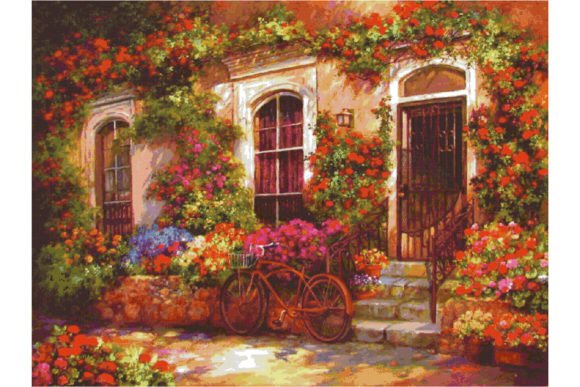
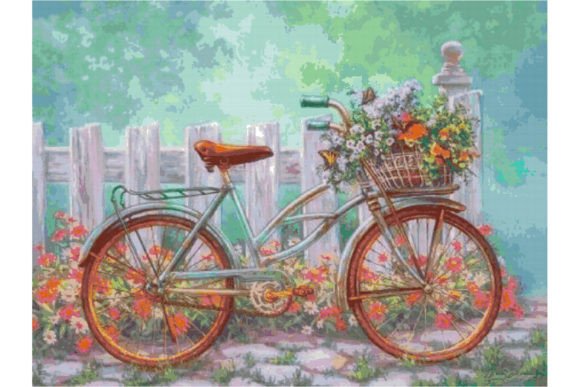
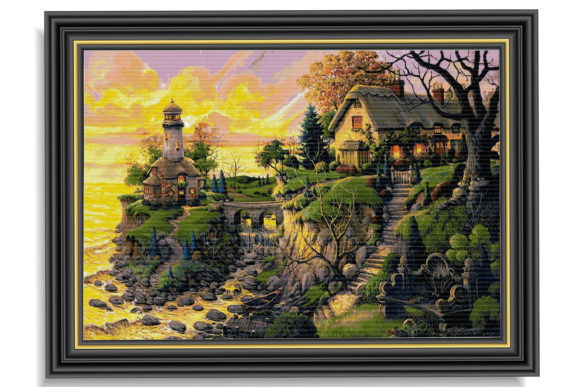
The visual mood of Cross Stitch Patterns Sweet Home 72 leans heavily into the "modern farmhouse" and "cozy cottagecore" aesthetics. These are not overly complex, photorealistic images but rather charming, simplified motifs that evoke warmth and nostalgia. For an embroidery designer, this simplicity is often a double-edged sword. On one hand, simple designs are faster to stitch and less prone to technical errors. On the other hand, they require impeccable execution because there is nowhere for poor stitching quality to hide.
The patterns appear to be designed with clarity in mind. The description notes that these are "Large Easy to Read Charts," which is a significant advantage for hand stitchers. For those of us adapting these for machine work or hybrid techniques, clear lines mean easier digitizing or tracing. The decorative appeal lies in their versatility; they do not scream for attention but rather complement the item they are stitched onto. This makes them ideal for subtle branding on tote bags or delicate accents on baby blankets.
Real-World Application for Commercial Projects
When considering Cross Stitch Patterns Sweet Home 72 for a real customer order, I immediately thought of several high-demand products. The primary category here is home goods. Imagine these patterns stitched onto linen kitchen towels or cotton aprons. The "Sweet Home" theme aligns perfectly with housewarming gifts or seasonal decor. Because the designs are likely compact, they fit well within standard hoop sizes, reducing the need for re-hooping and minimizing the risk of hoop burns on delicate fabrics.
Beyond home decor, there is strong potential in the apparel sector. A small, centered motif from this collection could work beautifully on the pocket of a sweatshirt or the chest of a customized cap. For custom apparel, the key is scale. Since these are cross-stitch inspired, they rely on a grid-like structure. When scaling down for a hat or a child’s garment, one must ensure the details do not become so small that the threads merge into a blob. Conversely, scaling up for a large tote bag design requires checking that the pattern does not look pixelated or sparse.
For Etsy sellers and creative entrepreneurs, these patterns offer a quick turnaround time. Unlike dense fill stitch designs that take hours to run, cross-stitch style patterns often utilize simpler stitch types like running stitch or short satin columns. This efficiency allows for higher profit margins on items like embroidered patches or limited-edition drops.
Technical Considerations for Embroidery Designers
While the artistic merit is clear, the technical execution requires careful planning. If you are using these as inspiration for a machine embroidery design, you must consider stitch density. Traditional cross-stitch is done on even-weave fabric with specific thread counts. Translating this to a t-shirt or a stretchy sweatshirt requires robust stabilization. I always recommend using a cut-away stabilizer for garments that will be washed frequently, as the perforation from the needle holes can weaken knit fabrics over time.
Another critical factor is fabric choice. These patterns shine on stable, woven materials like linen, cotton canvas, or denim. Using them on slippery or highly textured fabrics can distort the grid-like appearance that defines the cross-stitch look. If you are attempting to stitch these on dark fabric, pay close attention to thread colors. You may need to add a backing stitch or use a heavier thread weight to ensure the design pops against the background. Contrast is king in this style; low-contrast combinations will render the intricate details invisible from a distance.
It is also vital to note the file format limitations. The product description specifies that you will download "PDF charts patterns only." This means these are not ready-to-use digital embroidery file formats like PES, DST, or EXP. They are graphics intended for hand stitching or for manual digitizing. If you are a machine embroiderer, you cannot simply load these PDFs into your machine. You must either stitch them by hand following the chart or use software to convert the image into an embroidery file. This distinction is crucial for buyers expecting instant machine compatibility.
Enhancing Product Value and Brand Consistency
Incorporating Cross Stitch Patterns Sweet Home 72 into your product line can significantly enhance perceived value. Hand-stitched or carefully digitized cross-stitch motifs convey a sense of artisanal care. In a market saturated with generic prints, a stitched element adds texture and depth. This tactile quality increases buyer trust and engagement, as customers can see the effort involved in the finished product.
For brand consistency, these patterns work well for businesses focusing on sustainability, slow fashion, or home comfort. They photograph exceptionally well, especially when styled with natural light and complementary props like dried flowers or wooden utensils. A strong visual presentation on social media can drive traffic to your shop, making these patterns valuable assets for your marketing funnel as well as your product inventory.
Practical Steps Before You Start
Before committing to a large batch of products, I advise taking the following steps:
- Test on scrap fabric: Always stitch a sample on the exact material you plan to sell. Check for puckering or thread breaks.
- Verify licensing: Although Creative Fabrica generally offers commercial licenses, always read the specific terms on the product page to confirm you can sell finished items made with these patterns.
- Check scale: Print the PDF chart at 100% size and place it on your garment or item to visualize the final look.
- Select proper stabilizer: Match your stabilizer to your fabric weight. Lightweight fabrics need lightweight stabilizers to prevent stiffness.
- Inspect details: After stitching, examine the back of the work. Neat backs indicate professional quality, which is essential for high-end commercial embroidery.
In conclusion, Cross Stitch Patterns Sweet Home 72 is a versatile resource for designers who appreciate the charm of traditional needlework. While it requires manual adaptation for machine use, its aesthetic appeal and commercial potential make it a worthy addition to your design library. By respecting the technical constraints and leveraging the visual warmth of these patterns, you can create standout products that resonate with customers seeking authenticity and comfort in their handmade goods.