Reviewing the Wildlife Wolf Cross Stitch Pattern
As a designer who spends half my life squinting at pixel grids and the other half untangling floss, I approach every new Wildlife Wolf Cross Stitch Pattern with a mix of curiosity and caution. We have all been there: you download a beautiful graphic, eager to start stitching, only to realize the chart is a nightmare of fractional stitches or the color transitions are muddy. Today, I am looking at this specific wolf design not just as art, but as a functional asset for real-world embroidery projects. Whether you are an Etsy seller looking for your next best-seller or a hobbyist making a personalized gift, the practicality of the pattern matters just as much as its aesthetic appeal.
First Impressions: Mood and Visual Clarity
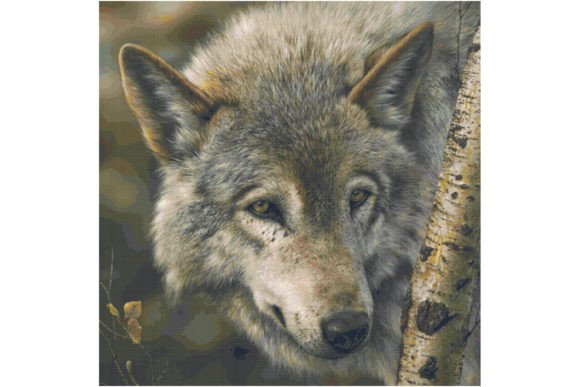
The first thing that strikes me about this Wildlife Wolf Cross Stitch Pattern is its bold, atmospheric presence. Wolf imagery can easily slip into cliché territory, but a well-charted design relies on contrast and shape to convey emotion. This pattern leans into the wild, untamed spirit of the subject. The layout appears designed for impact rather than excessive micro-detail, which is a relief. In cross stitch, less is often more when it comes to readability from a distance.
The description notes that these are large, easy-to-read charts. For a designer, this is a significant usability feature. It means I do not need to spend hours enlarging a PDF or straining my eyes to distinguish between two shades of grey. The ability to print the chart in any size allows for flexibility in how I plan my workspace. When evaluating Cross Stitch Patterns, I always look for clarity in the symbol key and grid lines. If the chart is intuitive, the stitching process becomes meditative rather than frustrating. This design seems to prioritize that user experience, making it accessible for intermediate stitchers who want a professional-looking result without battling ambiguous instructions.
Real-World Application: From Chart to Finished Product
Let us move beyond the screen and imagine this design in a tangible embroidery project. I recently considered using a similar wolf motif for a custom lined tote bag. The Wildlife Wolf Cross Stitch Pattern fits perfectly into the "modern rustic" aesthetic that is currently trending in small shop products. Imagine this stitched onto a heavy canvas tote in earthy tones—charcoal, slate blue, and cream. The stark contrast of the wolf against a neutral fabric creates a striking handmade product that feels both rugged and refined.
Beyond tote bags, this design has strong potential for sweatshirt embroidery. A centered chest placement on a heather grey crewneck would look sophisticated. However, because cross stitch creates a textured, raised surface, one must consider the drape of the fabric. For apparel, I recommend using a lightweight stabilizer to prevent the fabric from puckering under the weight of the threads. This pattern could also translate beautifully into a framed piece of nursery decor, provided the color palette is softened to suit a calming environment. For holiday embroidery gifts, such as pillow covers or wall hangings, the dramatic nature of the wolf adds a touch of wilderness-inspired warmth to a home.
Technical Considerations for Crafters and Sellers
It is crucial to remember that this is a digital purchase. This is not a kit. No floss or fabric are included. You are buying the intellectual property and the guide, not the materials. This distinction is vital for Etsy sellers and craft business owners. You have full control over the material quality, which directly impacts the perceived value of your finished product. Since the pattern is charted for 14-count fabric, sticking to this standard ensures the design retains its intended proportions. Deviating to a higher count like 18 or 20 will result in a smaller, more delicate finish, while 11-count will make it larger and blockier.
When working with Graphics of this nature, thread selection is everything. A wolf design lives and dies by its shading. I advise testing your thread colors on scrap fabric before committing to the final piece. Use natural light to check if your dark greys blend too much with your blacks, or if your highlights pop enough to define the wolf’s eyes and fur texture. The stitch density in cross stitch is generally consistent, but areas with many color changes can create bulk. Be mindful of this if you are planning to frame the piece under glass, as high-relief areas might press against the glazing.
Navigating Challenges: Fabric and Placement
While this Wildlife Wolf Cross Stitch Pattern is versatile, it is not without its constraints. Cross stitch is rigid by nature. It does not stretch. Therefore, applying this design to stretchy fabrics like jersey knits for t-shirts requires careful stabilization. Without proper interfacing, the stitches will distort when the garment is worn or washed. I generally avoid placing dense cross stitch designs on curved surfaces like caps unless I am using a pre-formed panel, as the hoop tension can warp the fabric and ruin the grid alignment.
Additionally, consider the washing instructions. A personalized gift like a baby item or kitchen towel needs to withstand frequent laundering. Cross stitch can trap moisture and detergent if not rinsed thoroughly. For items that will see heavy use, such as aprons or embroidered patches, ensure you use high-quality, colorfast cotton floss. Testing a small section for color bleeding is a non-negotiable step for professional results. If you are selling these items, your customer trust depends on the durability of your work. A faded or distorted wolf design reflects poorly on your brand consistency.
Designer Notes for Commercial Use
For those looking to incorporate this into a commercial embroidery lineup, here are my practical notes. First, verify the licensing terms. Just because you purchased the PDF does not automatically grant unlimited commercial rights for mass production. Check the seller’s policy on finished goods versus digital redistribution. Second, create high-quality printable mockup images for your online listings. Show the design on different backgrounds—linen, cotton, even dark denim—to help customers visualize the versatility.
Finally, treat this Wildlife Wolf Cross Stitch Pattern as a core design asset. It can be part of a larger collection of wildlife-themed home decor. By maintaining consistent stitching tension and neat backs, you elevate a simple chart into a premium small shop product. The ease of reading the chart means you can produce these faster, improving your workflow efficiency. Whether you are creating a custom apparel line or unique holiday gifts, this pattern offers a solid foundation for creative expression, provided you respect the technical limits of the medium.
In conclusion, this pattern is a strong contender for designers who value clarity and mood. It avoids unnecessary complexity, allowing the imagery to speak for itself. With the right materials and attention to detail, it can become a standout piece in any portfolio or home.