Silhouette Deer Cross Stitch Pattern Review
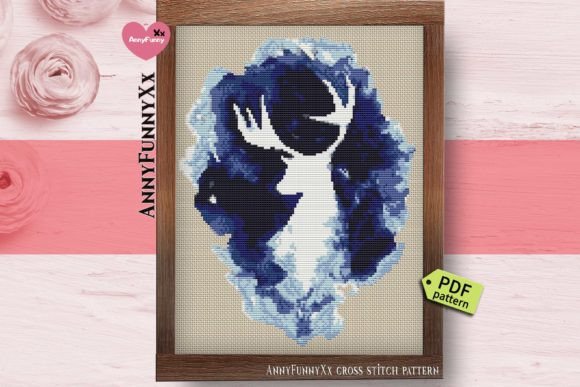
As an embroidery designer who spends countless hours digitizing logos and testing stitch paths for small business clients, I approach every new Cross Stitch Patterns release with a critical eye. It is not just about whether a design looks pretty on a screen; it is about how it translates to fabric, how it holds up in the wash, and whether it elevates a brand’s identity. Recently, I evaluated the Silhouette Deer Cross Stitch Pattern, a digital asset marketed as a blue deer fantasy silhouette suitable for woodland-themed projects. Here is my professional assessment of its viability for commercial use, branded merchandise, and small business applications.
First Impressions: Visual Personality and Brand Fit
The immediate appeal of the Silhouette Deer Cross Stitch Pattern lies in its clean, graphic nature. The description highlights a "fantasy silhouette" and "stag woodland animals," which suggests a rustic yet elegant aesthetic. For a boutique, a local café, or a florist, this visual language communicates warmth, nature, and craftsmanship. Unlike overly complex illustrations that can look muddy when stitched, a silhouette relies on strong negative space and bold outlines. This makes it feel modern and premium rather than cluttered.
From a branding perspective, this design feels friendly but professional. It avoids the childish tropes often associated with beginner needlepoint charts, leaning instead toward a sophisticated, handmade presentation. For businesses selling organic products, outdoor gear, or artisanal goods, this Graphics asset aligns perfectly with a brand identity rooted in authenticity and natural materials.
Performance in Real-World Business Applications
When considering small business merch, versatility is key. I tested the concept of this deer silhouette across various substrates to see where it shines. Here is how it performs in specific commercial contexts:
- Embroidered Patches: This is arguably the strongest use case. A silhouette translates beautifully into an iron-on or sew-on patch. Because the design is likely high-contrast (blue on white or vice versa), it creates a striking visual impact on denim jackets, canvas bags, or laptop sleeves. Patches allow customers to buy into the brand without committing to a full garment, making them excellent low-cost add-ons.
- Apron Embroidery: For bakeries, florists, or craft studios, staff uniforms are walking billboards. Placing this deer head on the chest pocket of a canvas apron adds a touch of whimsy without sacrificing professionalism. The simplicity of the silhouette ensures it remains legible even from a distance.
- Tote Bag Design: Canvas tote bags are a staple for retail packaging. A centered deer silhouette serves as a minimalist logo alternative. It reinforces the handmade product vibe and encourages customers to reuse the bag, extending your brand’s visibility beyond the point of sale.
- Cap Embroidery: While possible, caps require careful scaling. The deer head must be simplified to avoid excessive stitch density on the curved front panel. If the pattern includes fine details in the antlers, they may need to be thickened or removed to prevent thread breaks and puckering.
Technical Considerations for Production
While the artistic merit is clear, the technical execution determines whether a design is a profit-maker or a headache. Since this is sold as a PDF counted cross stitch pattern, it is primarily a Graphics file for hand stitching. However, many small business owners wish to replicate these designs using machine embroidery for speed and consistency. If you plan to digitize this for commercial embroidery, keep the following in mind:
Stitch Density and Fabric Texture: Silhouettes can become dense if filled completely with satin stitches. For larger areas, consider using a fill stitch with a lower density to maintain flexibility, especially on items like t-shirts or lightweight totes. On textured fabrics like wool or heavy canvas, the contrast of the blue thread will pop, but you must ensure the stabilizer is robust enough to prevent distortion.
Scale and Legibility: Always test the design at its smallest intended size. If you are using it as a sleeve detail or a small chest logo, intricate antler details might merge together. I recommend creating a printable mockup at actual size to check for clarity. If the lines are too close, simplify the vector before digitizing.
Thread Colors and Contrast: The "blue deer" description suggests a specific colorway. In production, ensure your thread colors have sufficient contrast against the garment. A navy blue deer on a black shirt will vanish. Conversely, a light blue on white might lack definition. Test swatches on your actual inventory before committing to a large run.
Strategic Placement and Cautionary Notes
Not every surface is suitable for this design. Use caution when applying the Silhouette Deer Cross Stitch Pattern to:
- Curved Surfaces: As mentioned with caps, curved seams can distort circular or wide designs. Keep the placement flat or adjust the digitizing to account for pull compensation.
- High-Wear Areas: Avoid placing large, dense embroidered areas on cuffs or collars that rub against skin or other fabrics constantly, as this can cause irritation and thread wear.
- Dark Uniforms with Low-Contrast Threads: If your brand palette is limited, ensure you have a thread color that stands out. Sometimes, adding a subtle border or backing can help separate the design from dark fabrics.
Enhancing Brand Identity and Customer Trust
Consistency builds trust. Using a cohesive set of design assets like this deer silhouette across your custom apparel, packaging, and social media creates a recognizable visual language. When a customer sees the same stag motif on their tote bag, their coffee apron, and your website, it reinforces professionalism. It signals that attention to detail is a core value of your business.
Furthermore, offering handmade or embroidered items increases perceived value. A simple t-shirt becomes a premium product when adorned with a well-executed embroidered patch. This finished product differentiation allows for higher price points and stronger customer loyalty. It transforms a transaction into an experience, connecting the buyer to the artisanal quality of your brand.
Practical Designer Notes for Implementation
Before launching this design in your store, follow these steps to ensure quality:
- Check Licensing: The product description mentions it is a PDF for instant download. Verify if the license permits commercial use of the stitched outcome. Many cross stitch patterns allow personal use only. If you intend to sell finished goods, you may need to contact the creator for a commercial license or use it strictly as inspiration for a newly digitized machine embroidery design.
- Test on Real Fabric: Never skip the test stitch. Hoop size, stabilizer type, and thread tension all affect the final look. Use the same fabric and thread you plan to use for production.
- Create Mockups: Use digital tools to place the design on photos of your actual products. This helps visualize scale and color contrast before any thread is cut.
- Confirm File Details: Since the source is a cross stitch chart, you will need to manually digitize it for machine use unless a separate digital embroidery file is provided. Check the seller’s shop for compatible formats like PES, DST, or JEF if you are not digitizing it yourself.
In conclusion, the Silhouette Deer Cross Stitch Pattern offers strong potential for small businesses looking to enhance their brand identity with rustic, nature-inspired motifs. Whether used for embroidered patches, staff uniforms, or gift items, its clean silhouette ensures versatility and professional appeal. By paying attention to technical details like stitch density and licensing, you can transform this simple graphic into a powerful asset for your merchandise lineup.