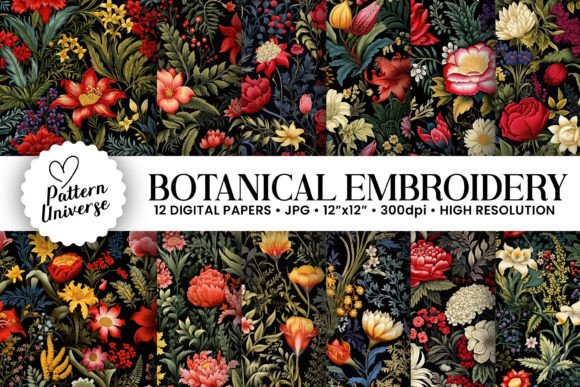
Rainbow Embroidery Flowers Patterns: A Designer’s Review
As an embroidery designer who has spent years digitizing for small businesses, I approach every new asset with a critical eye. It is not just about whether a design looks pretty on a screen; it is about how it translates to thread, how it holds up on fabric, and ultimately, how it serves the brand identity of the client. Recently, I evaluated Rainbow Embroidery Flowers Patterns to determine its viability for commercial merchandise. This review focuses on practical application for boutique owners, apparel decorators, and handmade brands looking to elevate their product offerings.
First Impressions: Visual Personality and Professional Appeal
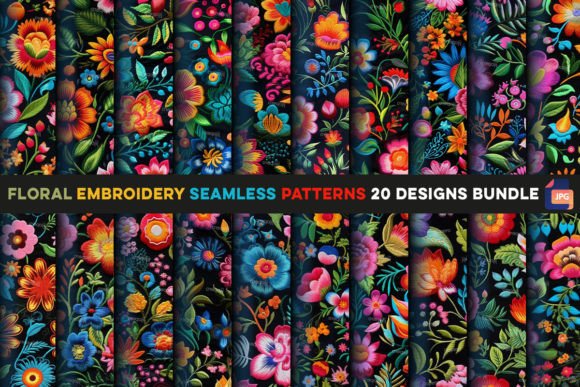
The immediate impression of Rainbow Embroidery Flowers Patterns is one of vibrant versatility. The title suggests a playful yet structured aesthetic, combining the organic nature of florals with the bold spectrum of rainbow colors. For a small business, this visual personality strikes a balance between friendly and professional. It does not feel overly rustic or strictly corporate; instead, it leans into a modern, decorative style that appeals to creative studios, bakeries, florists, and pet brands.
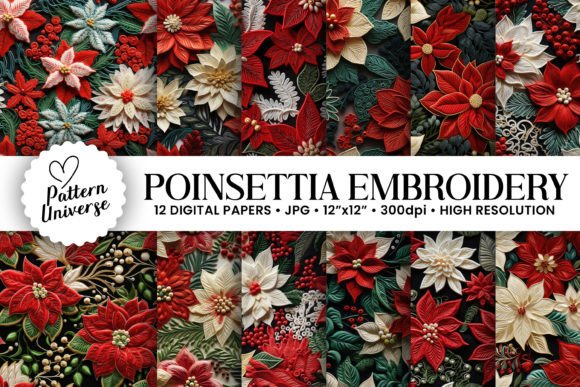
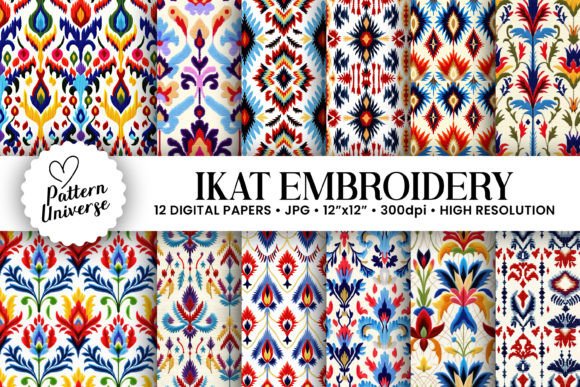
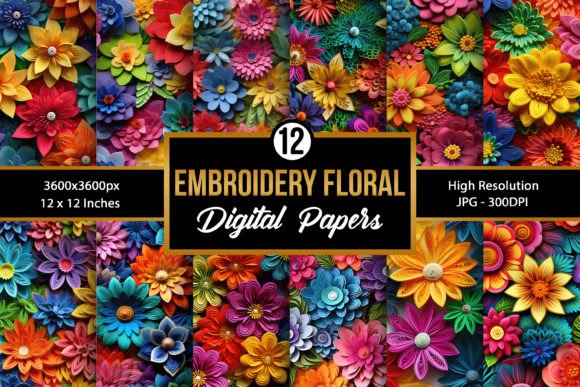
The inclusion of 12 seamless patterns within the zip file indicates a comprehensive design asset package. For a merch creator, this variety is crucial. It allows for consistency across different products without repetitive monotony. The high-resolution specification of 300dpi and the dimensions of 3600 x 3600 pixels (12″ x 12″) suggest that these graphics are prepared for high-quality output. However, as embroidery professionals, we must distinguish between digital print readiness and stitch readiness. These are primarily graphics and digital papers, which means their application in embroidery requires strategic planning rather than direct file conversion.
Real-World Business Applications
When considering Rainbow Embroidery Flowers Patterns for small business merch, the potential applications are vast. Here is how these patterns can be effectively utilized in a commercial context:
- Embroidered Patches: The seamless nature of the patterns makes them ideal for creating custom patches. A local café could use a segment of the floral pattern for a chest logo accent on staff uniforms. The rainbow element adds a touch of inclusivity and warmth, enhancing customer trust and engagement.
- Custom Apparel and Uniforms: For boutiques and creative studios, these patterns can serve as all-over prints or targeted accents on aprons and work shirts. An apron embroidery featuring a subtle floral motif from the set can elevate the perceived value of a handmade product or service.
- Tote Bag Design: Tote bags are a staple for Etsy sellers and event merch. Using a section of the pattern as a central graphic or a corner detail provides a unique branded look. The vibrant thread colors implied by the rainbow theme would stand out beautifully on canvas or cotton blends.
- Cap Embroidery: While challenging due to curved surfaces, a simplified element from the pattern could work as a side-panel detail on caps. This offers a subtle branding opportunity for local businesses wanting to move beyond standard front-logo placements.
- Product Packaging and Labels: Since the package includes digital papers, these graphics are perfect for printable mockups and physical packaging. Consistent visual assets across packaging and the finished product reinforce brand recognition.
Technical Considerations for Embroidery Production
It is vital to note that Rainbow Embroidery Flowers Patterns are provided as JPG files. They are not native machine embroidery design files like PES or DST. Therefore, using them for stitched items requires digitizing. Here are critical technical notes for embroidery shops and designers:
- Digitizing Strategy: You cannot simply print and stitch. A professional digitizer must convert the visual elements into a machine embroidery design. Pay close attention to stitch density. High-detail floral patterns can become bulky if the stitch count is too high. Reduce density for softer fabrics to prevent puckering.
- Color Management: The "rainbow" aspect implies multiple thread colors. In embroidery, each color change adds time and cost. Simplify the palette where possible. Test thread color contrast against your base fabric. Dark uniforms may require underlay stitches or lighter thread choices to ensure visibility.
- Scale and Hoop Size: The files are 12″ x 12″. Ensure your hoop size can accommodate the desired design placement. For small patch sizes, you must simplify the design. Intricate details may get lost or cause thread breaks if scaled down too far without adjusting the stitch structure.
- Fabric Texture and Stabilizer: Textured fabric can distort fine lines. Always test on real fabric before full production. Use the appropriate stabilizer—cut-away for stretchy materials like t-shirts and tear-away for stable woven fabrics like tote bags or aprons.
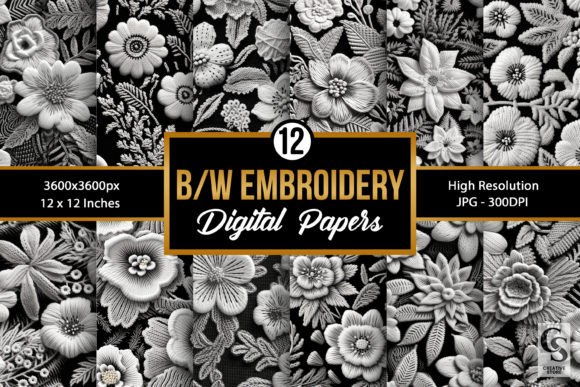
- Black and White Test: Before committing to colorful threads, test the design in black and white. This helps you evaluate the clarity of the shapes and the balance of positive and negative space. If it does not read well in monochrome, it may need simplification before adding complex thread colors.
Brand Identity and Customer Perception
Incorporating Rainbow Embroidery Flowers Patterns into your product line does more than add decoration; it shapes brand identity. For handmade brands and Etsy sellers, consistency is key to building customer trust. Using these patterns across various touchpoints—from the embroidered patch on a uniform to the digital paper on a thank-you card—creates a cohesive visual experience.
The playful yet polished nature of the flowers signals professionalism while maintaining approachability. This is particularly effective for businesses in the care, creative, or hospitality sectors. A bakery using these motifs on aprons and packaging communicates warmth and attention to detail. A florist using them on tote bags reinforces their connection to nature and beauty. This visual consistency enhances buyer engagement and can justify a higher price point for the finished product.
Where to Use Caution
While versatile, there are scenarios where these patterns require careful handling. Avoid using highly detailed sections on items that undergo frequent washing, such as daily-use work shirts, unless the digitizing is robust. Small patch sizes on cap fronts can become cluttered if the original pattern complexity is not reduced. Additionally, be mindful of tiny lettering if you combine these floral elements with text. The organic shapes should complement, not compete with, any brand typography.
Always confirm commercial licensing before business use. While the product description mentions suitability for various projects, ensuring you have the right to use these graphics for commercial merchandise is essential for legal protection. Check the specific terms included in the zip file or the seller’s policy.
Final Verdict for Designers and Merch Creators
Rainbow Embroidery Flowers Patterns is a valuable addition to a designer’s toolkit, particularly for those creating assets for small businesses. It offers flexibility through its 12 seamless variations and high-resolution quality. However, its success in embroidery relies on skilled digitizing and thoughtful application. By treating these graphics as a foundation for custom machine embroidery design rather than a plug-and-play solution, you can create standout branded patches, apparel, and accessories. For the savvy merch creator, this set provides the raw material needed to build a distinctive, professional, and engaging brand presence.