Reviewing Sequin Embroidery Digital Paper Patterns for Real Use
As a designer who spends half my life staring at digitized files and the other half watching needles punch through fabric, I have learned to be skeptical of digital assets that promise luxury without showing the structural work. When I first opened the Sequin Embroidery Digital Paper Patterns, my initial reaction was not just about the visual sparkle, but about how these graphics translate into tangible value for a craft business. This is not merely a collection of images; it is a resource that requires thoughtful application to truly shine in a commercial or personal setting.
The First Impression: Mood and Visual Personality
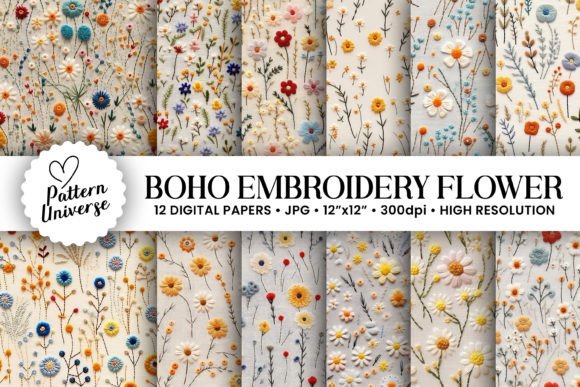
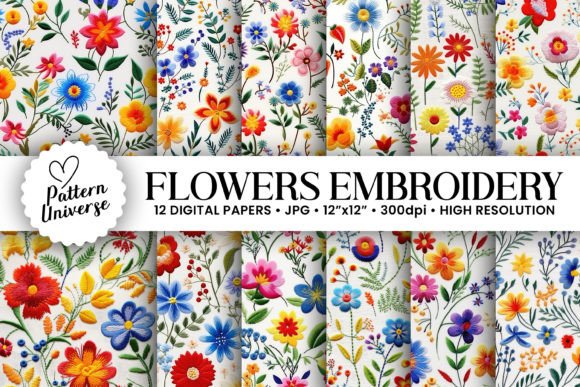
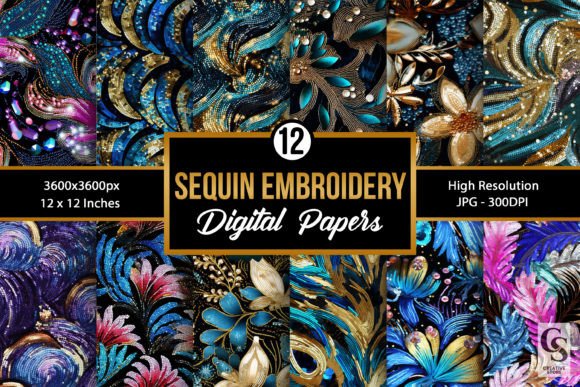
The collection includes 12 seamless patterns featuring floral motifs with a sequin-inspired aesthetic. At 300dpi and sized at 12″ x 12″ (3600 x 3600 pixels), the resolution is crisp enough for high-quality printable mockups and detailed design assets. The mood here is celebratory yet refined. It does not scream for attention like neon signage; instead, it suggests a subtle glamour that works well for boutique branding or elevated handmade products. The layout feels balanced, avoiding the chaotic clutter that often plagues lower-quality digital papers. For an embroidery designer, this visual clarity is crucial because it allows you to predict how the design will read once stitched out.
Real-World Application: From Screen to Stitch
Let us consider a real-life scenario. Imagine you are preparing a custom order for a client who wants a personalized gift for a bridal shower. You are designing a tote bag that needs to look expensive but remain durable. Using the Sequin Embroidery Digital Paper Patterns as a reference or background element in your digital mockup can help you visualize the final product. However, since these are JPG graphics and not native machine embroidery files, their primary role in your workflow is likely as a design guide or for printed elements rather than direct stitching instructions.
If you are using these patterns to create printed transfers or as inspiration for digitizing your own machine embroidery design, the floral shapes provide a strong foundation. The sequin effect implies texture. In a real embroidery project, you might mimic this look using a combination of satin stitch for the petals and metallic thread for accents. The high resolution ensures that when you zoom in to trace or reference the curves, the edges remain smooth, which is vital for maintaining stitching clarity.
Where Caution Is Needed
While the visuals are striking, practical experience dictates that we must consider the limitations of the medium. If you plan to use these patterns as a basis for custom apparel or sweatshirt embroidery, remember that fabric texture plays a massive role. A dense fill stitch meant to replicate the solid look of a sequin graphic can become stiff and uncomfortable on stretchy fabrics or thin materials like baby clothes.
For items like caps or curved surfaces, the seamless nature of the pattern might need to be broken up. A continuous floral run can distort on a rounded crown. Additionally, if you are working with dark fabric, the light-reflecting concept of "sequins" must be achieved through thread choice rather than just shape. Without actual sequins, you rely on thread colors with high sheen, such as rayon or metallic blends, to capture the spirit of the original graphic.
Enhancing Product Value and Brand Consistency
For Etsy sellers and small shop owners, presentation is everything. These Graphics serve as excellent printable mockup backgrounds for your online listings. By placing your finished embroidered patch or tote bag design against one of these floral sequin backgrounds, you elevate the perceived value of the item. It creates a cohesive brand aesthetic that signals professionalism. Customers often buy with their eyes first; a listing that uses high-quality, thematic design assets builds trust and suggests that the physical product will be equally well-crafted.
When used in holiday embroidery campaigns or wedding gift promotions, the floral theme aligns perfectly with seasonal trends. It helps your handmade product stand out in a crowded marketplace by providing a polished, editorial look to your social media posts and website banners.
Practical Notes for the Designer
Before integrating these patterns into your workflow, keep these technical considerations in mind:
- Test on Scrap Fabric: If you are digitizing a design based on these patterns, always stitch out a test sample. Check how the stitch density affects the fabric drape.
- Check Contrast: Ensure your thread choices contrast sufficiently with the base fabric. A sequin effect relies on light reflection, so matte threads on matte fabric may fall flat.
- Verify Licensing: While these are digital papers, confirm the license terms if you plan to sell items featuring prints derived directly from these JPGs. Most standard licenses allow for end-product sales, but it is wise to double-check.
- Hoop Size Compatibility: Since these are 12x12 inch files, they are ideal for larger projects like pillow covers or aprons. For smaller items like baby embroidery or pocket details, you will need to scale down carefully, ensuring small details do not become unrecognizable blobs of thread.
- Stabilizer Choice: If mimicking the dense look of the graphics, use a cut-away stabilizer for garments that will undergo frequent washing to prevent puckering.
Final Verdict
The Sequin Embroidery Digital Paper Patterns are a versatile addition to a designer’s toolkit. They are not a substitute for a well-digitized embroidery file, but they are an excellent resource for visualization, marketing, and print-based applications. For the craft business owner looking to enhance their brand presentation or find inspiration for textured stitching, these patterns deliver high-resolution quality and aesthetic appeal. Use them wisely, respect the limitations of fabric and thread, and they will help you create finished products that resonate with customers seeking both beauty and craftsmanship.