Reviewing the Colorful Owl Cross Stitch Patterns PDF
As a designer who spends half my life squinting at pixelated charts and the other half threading needles, I have learned that not all digital patterns are created equal. When I downloaded the Colorful Owl Cross Stitch Patterns PDF, I was not looking for a quick fix. I was looking for a reliable asset to integrate into a client’s boutique line of nursery decor. What I found was a straightforward, no-nonsense graphic that prioritizes clarity over complexity. This is not a kit; there is no floss or fabric included. You are purchasing a download, a tool for your creative arsenal. For the serious crafter or small business owner, this distinction matters. It means you have total control over the final aesthetic, from thread choice to fabric texture.
First Impressions: Clarity and Mood
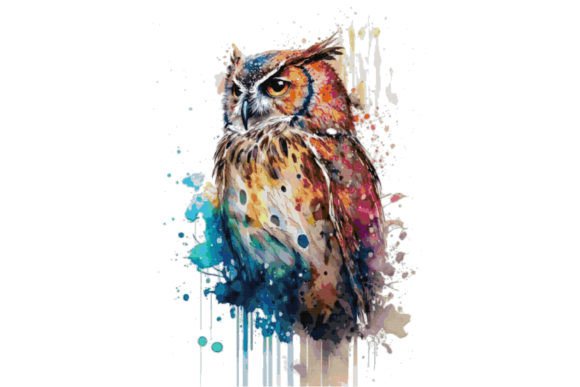
The immediate standout feature of this design is its readability. The description promises large, easy-to-read charts, and it delivers. In the world of embroidery, especially when working with multi-colored motifs like an owl, symbol confusion is the enemy of efficiency. The layout is clean, avoiding the cluttered grids that often plague cheaper digital assets. The mood is playful yet structured. The owl motif itself is versatile—it sits comfortably between whimsical children’s decor and modern bohemian home accents. Visually, the design feels balanced. It does not rely on excessive density to create impact, which is a crucial consideration for anyone stitching by hand or managing machine time.
For those of us who sell finished products, presentation is everything. A chart that is easy to interpret translates to a cleaner finished product. When I opened the PDF, I appreciated that there was no need to enlarge the image digitally. The resolution supports printing at various sizes, allowing me to tape pages together for a full-scale reference or shrink it down for a quick pocket guide. This flexibility is rare in standard Cross Stitch Patterns and speaks to a thoughtful approach to user experience.
Real-World Application: The Tote Bag Test
To truly evaluate a design, you must move it from the screen to the hoop. I decided to test the Colorful Owl Cross Stitch Patterns PDF on a heavy-weight canvas tote bag. This is a common request for Etsy sellers and craft fair vendors. The goal was to create a durable, eye-catching item that could withstand daily use while maintaining its visual appeal.
Because the design is charted for 14-count fabric, I had to consider my material choice carefully. Canvas can be tricky; it is often tighter than standard Aida cloth. I opted to use a waste canvas technique to ensure the stitches remained even and the grid aligned perfectly with the owl’s geometry. The result was striking. The colors popped against the natural beige of the canvas. The owl’s eyes, rendered in contrasting thread colors, became the focal point, drawing the viewer in immediately. This kind of visual hierarchy is essential for a successful handmade product. It ensures that the design is recognizable from a distance, a key factor for commercial embroidery items displayed in busy marketplaces.
This scenario highlights why this PDF is valuable for custom apparel and accessories. Whether you are creating a sweatshirt embroidery piece for a winter collection or a personalized gift for a baby shower, the adaptability of the chart allows for scaling. However, scaling requires caution. While the PDF prints easily, changing the fabric count changes the physical size of the stitch. A designer must calculate the final dimensions before cutting fabric to avoid a design that is too small to appreciate or too large for the garment.
Navigating Technical Challenges
No design is without its pitfalls, and honest review requires addressing where this pattern demands care. The owl features distinct color blocks. In cross-stitch, this means frequent thread changes. For hand stitchers, this can slow down production. For those adapting this concept for machine work, it is vital to check stitch density. While this is a cross-stitch chart, the principle of color separation applies to any embroidery file conversion. If you are digitizing this for a machine, you must ensure that the jump stitches between color zones are minimized to prevent snagging, especially on stretchy fabrics like those used in baby embroidery projects.
Another consideration is fabric texture. On highly textured materials, such as linen or wool blends, the crisp lines of the owl may soften. This can be a desirable aesthetic for a rustic pillow cover or kitchen towel, but it might look muddy on a structured embroidered patch. I recommend testing the design on scrap fabric first. Check how the thread colors interact with the base material. Dark fabrics will require careful planning if you intend to keep the background un-stitched, as the negative space will show the fabric color rather than white Aida.
Additionally, consider the hoop size. The design’s proportions must fit comfortably within your chosen frame, leaving enough margin for finishing. Cramped designs look amateurish. For a cap or curved surface, the geometric nature of cross-stitch can distort. It is best suited for flat surfaces like tote bag designs, aprons, or framed art. If you attempt to place it on a curved seam, the grid alignment will shift, potentially distorting the owl’s symmetry.
Value for the Creative Entrepreneur
For the Etsy seller or small shop product creator, time is money. The clarity of the Colorful Owl Cross Stitch Patterns PDF reduces the cognitive load during stitching. There is less second-guessing, which means faster completion times. This efficiency directly impacts profit margins. Furthermore, the professional presentation of the chart reflects well on your brand. When customers see a precise, well-executed stitch pattern, they perceive higher value. It builds trust. A sloppy chart leads to sloppy stitches, which leads to dissatisfied buyers.
This design also serves as an excellent base for printable mockups. Before committing to physical production, you can use the digital image to create marketing assets. Show potential buyers what the finished holiday embroidery or wedding gift could look like. This helps in gauging interest and refining your product lineup without wasting materials. It is a smart strategy for digital product sellers who want to expand their offerings without holding inventory.
Practical Designer Notes
Before you begin your next embroidery project with this pattern, keep these practical tips in mind:
- Verify Licensing: Always confirm the license terms before selling finished items. While many designers allow commercial use of finished goods, restrictions on reselling the digital file itself are standard. Protect your business by knowing the rules.
- Test Thread Contrast: The owl is colorful, but ensure your chosen thread colors have sufficient contrast against each other. Muddy transitions can ruin the definition of the feathers and eyes.
- Use Stabilizer: If stitching on clothing or bags, always use an appropriate stabilizer. Cross-stitch pulls on fabric, and without support, the garment can warp over time, especially after washing.
- Check Details: Inspect the small details in the chart. Are there single stitches that might get lost? Decide if you want to simplify these areas for a cleaner look or keep them for fidelity.
- Mockup in Black and White: Print the chart in grayscale to check value contrast. If the design disappears in black and white, it may lack depth in certain lighting conditions.
In conclusion, the Colorful Owl Cross Stitch Patterns PDF is a solid, reliable resource for designers who value clarity and versatility. It is not just a pretty picture; it is a functional tool for creating high-quality design assets. Whether you are making a one-off personalized gift or stocking your craft business with best-selling items, this pattern holds up under scrutiny. Just remember to respect the material constraints, plan your execution, and let the simplicity of the design shine through your craftsmanship.