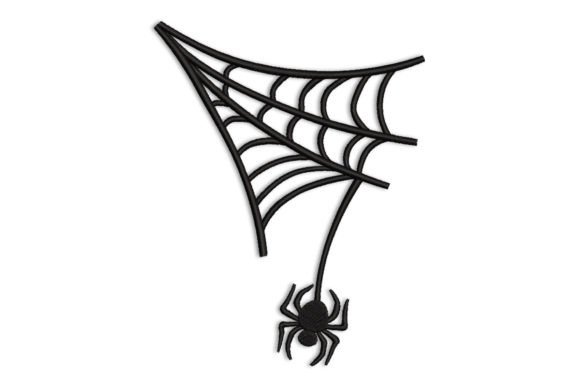
Spider Web: A Designer’s Review for Craft Fair Success
As an embroidery designer who has spent countless hours hooping, stitching, and selling at weekend markets, I approach every new machine embroidery design with a critical eye. It is not just about whether the pattern looks pretty on a screen; it is about how it performs in the real world. Will it catch the eye of a passerby? Is it durable enough for daily use? Does it photograph well for my online store? Today, I am reviewing the Spider Web design, a piece that leans heavily into the Halloween season but holds potential for broader gothic or rustic aesthetics.
First Impressions: Delicate Intricacy Meets Seasonal Charm
The Spider Web design immediately strikes me as versatile. While it is categorized under Halloween, the description notes that spider web stitch creates delicate, intricate patterns resembling actual webs. This suggests a level of finesse that goes beyond cartoonish spooky decor. In my booth setup, I look for items that feel premium and handmade, and this design has the potential to elevate simple textiles into coveted handmade products.
Visually, the web motif is iconic. It is instantly recognizable, which is crucial for craft fair sales where you have only seconds to capture attention. The design feels both elegant and slightly eerie, depending on the thread choice. On a black fabric with silver thread, it screams modern gothic. On a natural linen with cream thread, it feels like a rustic farmhouse accent. This duality makes it a strong contender for a diverse customer base, not just those looking for seasonal decor.
Product Application: Where Spider Web Shines
To determine the viability of this design, I mentally placed it on various blank goods I typically stock. Here is how I see Spider Web performing across different categories:
- Tote Bags: A large-scale web centered on a canvas tote is a winner. It serves as a bold tote bag design that appeals to students and shoppers alike. The geometric nature of the web provides a striking contrast against the rough texture of canvas.
- Aprons and Tea Towels: For kitchen textiles, placement is key. A smaller web in the corner of a tea towel embroidery project adds a subtle touch of whimsy without overwhelming the utility of the item. Similarly, apron embroidery benefits from a chest-pocket placement, keeping the design visible but out of the way of heavy cooking stains.
- Embroidered Patches: This is perhaps the most profitable application. An embroidered patch allows customers to buy the design without committing to a whole garment. It is a low-risk impulse buy at a craft fair. Ensure the edges are saturated with satin stitches to prevent fraying.
- Caps and Hats: Curved surfaces are tricky. The web must be scaled down significantly to fit the front panel of a cap without distorting. If the design has too much stitch density, it may pucker the fabric. I would recommend testing this on a structured cap first.
- Pillow Covers: A large, central web on a velvet or cotton pillow cover creates a luxurious, tactile experience. This moves the product from "craft" to "home decor," allowing for a higher price point.
Production Practicality and Batch Selling
For a small shop owner or Etsy seller, time is money. The Spider Web design appears to rely on linear stitches rather than dense fills, which is generally good for production speed. However, the intricacy mentioned in the description implies many direction changes. I advise checking the digital embroidery file for jump stitches. Excessive jumps mean more trimming time, which eats into your profit margin during batch production.
Photography is another major factor. Intricate lines can disappear in poor lighting. When creating your printable mockup or listing photos, ensure you use high-contrast lighting to highlight the texture of the threads. A flat photo will not do justice to the raised nature of embroidery. For online listings, close-up shots that show the stitch quality are essential to convey the value of the finished product.
Careful-Use Notes for Designers
While the design is captivating, there are pitfalls to avoid. Do not ignore the importance of stabilizer. Because web designs often have open spaces surrounded by stitches, the fabric can pull or distort if not properly supported. Use a cut-away stabilizer for stretchy fabrics like t-shirts and a tear-away for stable wovens like cotton tote bags.
Be cautious with thread colors on dark fabrics. If you are stitching a white web on black fabric, ensure your tension is perfect. Any bobbin thread showing through will ruin the crisp look. Conversely, on textured towels, fine details may get lost in the pile. In such cases, simplify the design size or choose a smoother fabric variant.
Enhancing Visual Appeal and Brand Consistency
Incorporating Spider Web into your lineup can strengthen your brand if you position it correctly. If your brand is known for whimsical, handmade gifts, this design fits perfectly. It adds a layer of narrative to your booth. Imagine a display with dried flowers, vintage books, and these embroidered items. The cohesive aesthetic drives buyer engagement.
Furthermore, this design works well as part of a collection. Pair it with other nature-inspired or gothic elements to create a themed section in your shop. This encourages customers to buy multiple items, increasing your average order value. As a commercial embroidery asset, it offers flexibility. You can market it as spooky for October and then pivot to "gothic chic" or "rustic elegance" for the rest of the year, maximizing the lifespan of your inventory.
Designer’s Checklist Before Production
Before you commit to stitching fifty units for the upcoming fair, follow these steps to ensure quality:
- Test on Scrap Fabric: Always run a test stitch-out on the exact fabric you plan to sell. Check for puckering or thread breaks.
- Check Hoop Size: Confirm the design fits your standard hoop. If it requires a larger hoop, factor that into your pricing and production time.
- Review Spacing: Ensure the lines of the web are not so close that they merge into a blob after washing.
- Verify Licensing: If you purchased this as a design asset, confirm you have commercial rights to sell the finished physical products. Never assume; always read the license terms.
- Create a Real Mockup: Stitch one sample item and photograph it in natural light. Use this image for your marketing materials to set accurate customer expectations.
In conclusion, the Spider Web embroidery design is a strong candidate for craft fair success. Its intricate nature appeals to buyers looking for quality handmade details, while its iconic shape ensures immediate recognition. By carefully selecting fabrics, managing stitch density, and presenting it within a cohesive brand narrative, you can turn this single design into a best-selling staple of your autumn inventory. Whether used on a rugged tote or a delicate handkerchief, it brings a touch of mysterious elegance that resonates with modern craft enthusiasts.