Motif Embroidery Design: A Designer’s Practical Review
As an embroidery designer who has spent years digitizing patterns and testing them on everything from flimsy rayon to heavy denim, I approach every new machine embroidery design with a mix of curiosity and skepticism. We have all seen those digital previews that look flawless on a white background but turn into a tangled mess of thread breaks and puckering once they hit the fabric. Today, I am taking a close look at the Motif Embroidery Design to see if it holds up under the pressure of real-world production.
This is not just about aesthetics; it is about functionality. When you are running a craft business or selling on Etsy, your reputation hinges on the quality of the finished product. A pretty picture sells the first item, but a well-digitized design brings customers back. Let us dive into how this specific motif performs when moved from the screen to the hoop.
First Impressions and Visual Personality
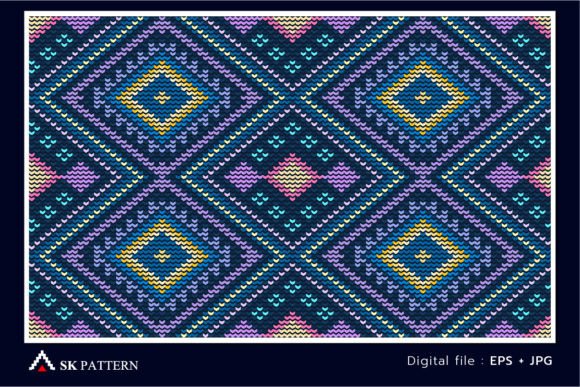
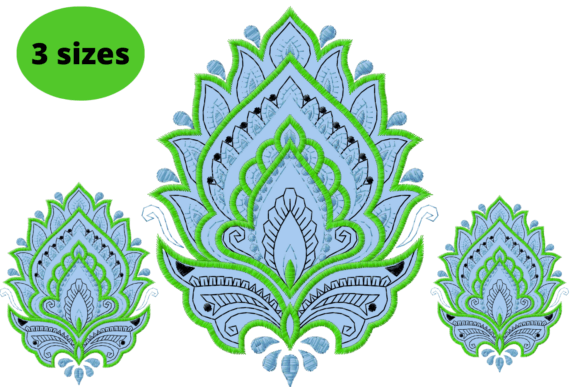
The first thing that strikes me about the Motif Embroidery Design is its balanced composition. It does not rely on excessive density to create impact, which is a common pitfall in amateur digitizing. Instead, it uses a thoughtful combination of satin stitch borders and lighter fill stitch areas to create depth without adding unnecessary bulk. This is crucial for maintaining the drape of the fabric, especially if you are working on garments like t-shirts or lightweight blouses.
The mood of the design is versatile. It feels organic and decorative, making it suitable for a wide range of applications. Whether you are aiming for a rustic farmhouse vibe or a modern minimalist aesthetic, this motif adapts well. The layout avoids tiny, fragile details that are prone to breaking during washing, which suggests the digitizer understood the mechanical limitations of home embroidery machines. For a Bedroom setting, such as pillow covers or wall hangings, this kind of reliable stitching ensures the decor remains pristine over time.
Real-World Application: The Custom Tote Bag Test
To truly evaluate an embroidery file, you must put it to work. I decided to test this design on a canvas tote bag design project, a staple for many small shop products. Canvas is forgiving, but it can be tricky if the stitch density is too high, leading to perforation where the needle holes weaken the fabric structure.
During the stitching process, the Motif Embroidery Design performed admirably. The transition between color changes was smooth, minimizing the number of jump stitches that need to be trimmed later. This efficiency is vital for commercial production where time is money. The resulting handmade product looked professional, with clean edges and no visible puckering. I could easily envision this being used for custom apparel like sweatshirts or even as a branded element for boutique packaging.
For those interested in sweatshirt embroidery, this design offers enough substance to stand out against textured fleece without sinking into the pile. However, I would recommend using a cut-away stabilizer rather than tear-away to ensure the design remains stable after repeated wear and washing. This attention to detail transforms a simple personalized gift into a heirloom-quality item.
Navigating Fabric Challenges and Hoop Constraints
While the design is robust, it is not immune to the laws of physics. One area where caution is required is when working with stretchy fabrics or thin materials. If you are attempting baby embroidery on a onesie, the weight of the thread must be considered. I suggest testing the design on scrap fabric first, specifically using the same type of stabilizer and thread weight you plan to use for the final product.
Another critical factor is hoop size. Ensure that your machine’s hoop can accommodate the full dimensions of the motif with adequate margin. Trying to squeeze a large design into a small hoop often results in distorted proportions or missed stitches at the edges. For curved surfaces like caps, this particular motif might require specialized hooping techniques or a cap frame to prevent shifting. Always check whether the design works for both personal and commercial projects, and confirm licensing before selling finished items.
When working with dark fabrics, thread color contrast becomes paramount. A digital embroidery file that looks vibrant on a light background may disappear on navy or black cloth. I recommend creating printable mockups in both light and dark variations to visualize the final effect. Using metallic or high-sheen threads can also enhance the visual appeal of the satin stitch elements, adding a touch of luxury to the piece.
Commercial Viability for Etsy Sellers and Makers
For Etsy sellers and creative entrepreneurs, the commercial viability of a design is just as important as its beauty. The Motif Embroidery Design lends itself well to seasonal collections. Imagine this motif applied to holiday embroidery projects like Christmas stockings or Easter aprons. Its decorative nature allows it to fit seamlessly into themed sets, increasing the perceived value of bundled products.
Moreover, the design’s clarity makes it an excellent candidate for applique design adaptations. By replacing some of the fill stitches with fabric patches, you can reduce stitch count and production time while adding textural interest. This versatility is a huge asset for design assets libraries, allowing makers to offer varied products from a single source file.
Customer trust is built on consistency. If your embroidered patch or kitchen towel looks exactly like the preview image, buyers are more likely to leave positive reviews and return for future purchases. This design supports that goal by offering predictable results across different fabric textures, provided proper stabilization is used.
Practical Designer Notes for Best Results
Before you load this embroidery project into your machine, keep these practical tips in mind:
- Test on Scrap Fabric: Always run a test stitch-out on the actual fabric you intend to use. This helps identify any tension issues or density problems.
- Check Thread Color Contrast: Use a color wheel to select threads that pop against your background fabric. Avoid low-contrast combinations unless a subtle look is desired.
- Review Stitch Density: If the design feels too stiff after stitching, consider reducing the density in your editing software or using a lighter weight thread.
- Confirm Hoop Size: Measure the design dimensions and ensure your hoop provides at least a half-inch margin on all sides.
- Inspect Small Details: Zoom in on the digital preview to check for tiny isolated stitches that might cause thread nests or breaks.
- Use Proper Stabilizer: Match the stabilizer to the fabric. Cut-away for knits, tear-away for wovens, and wash-away for delicate or sheer materials.
- Verify Licensing: Ensure you have the right to use the digital embroidery file for commercial sales if you plan to sell the finished goods.
In conclusion, the Motif Embroidery Design is a solid addition to any designer’s library. It balances aesthetic appeal with technical reliability, making it suitable for a wide array of Embroidery projects. Whether you are creating custom apparel, home decor, or personalized gifts, this motif offers the flexibility and quality needed to succeed in today’s competitive handmade market. Just remember to respect the materials, test thoroughly, and let the design shine through your craftsmanship.